A zipline harness is the single piece of equipment that catches a rider if everything else goes sideways. For most buyers, the label says something like “rated to 250 lbs” or carries a small logo stamped “CE EN 12841” — and those markings get treated as either a green light or a mystery. They’re neither. A weight rating (the maximum load a harness is designed to hold in a fall or sudden stop) and a certification mark (proof that an independent body tested the harness against a published safety standard) are related but different things, and misreading them is one of the most common ways a well-intentioned backyard or commercial zipline build ends up with mismatched gear. This guide walks through what those numbers and stamps actually mean, how to match harness specs to your specific riders and span length, and where the tradeoffs live when you’re choosing between a $45 kids’ seat harness and a $180 full-body professional rig.
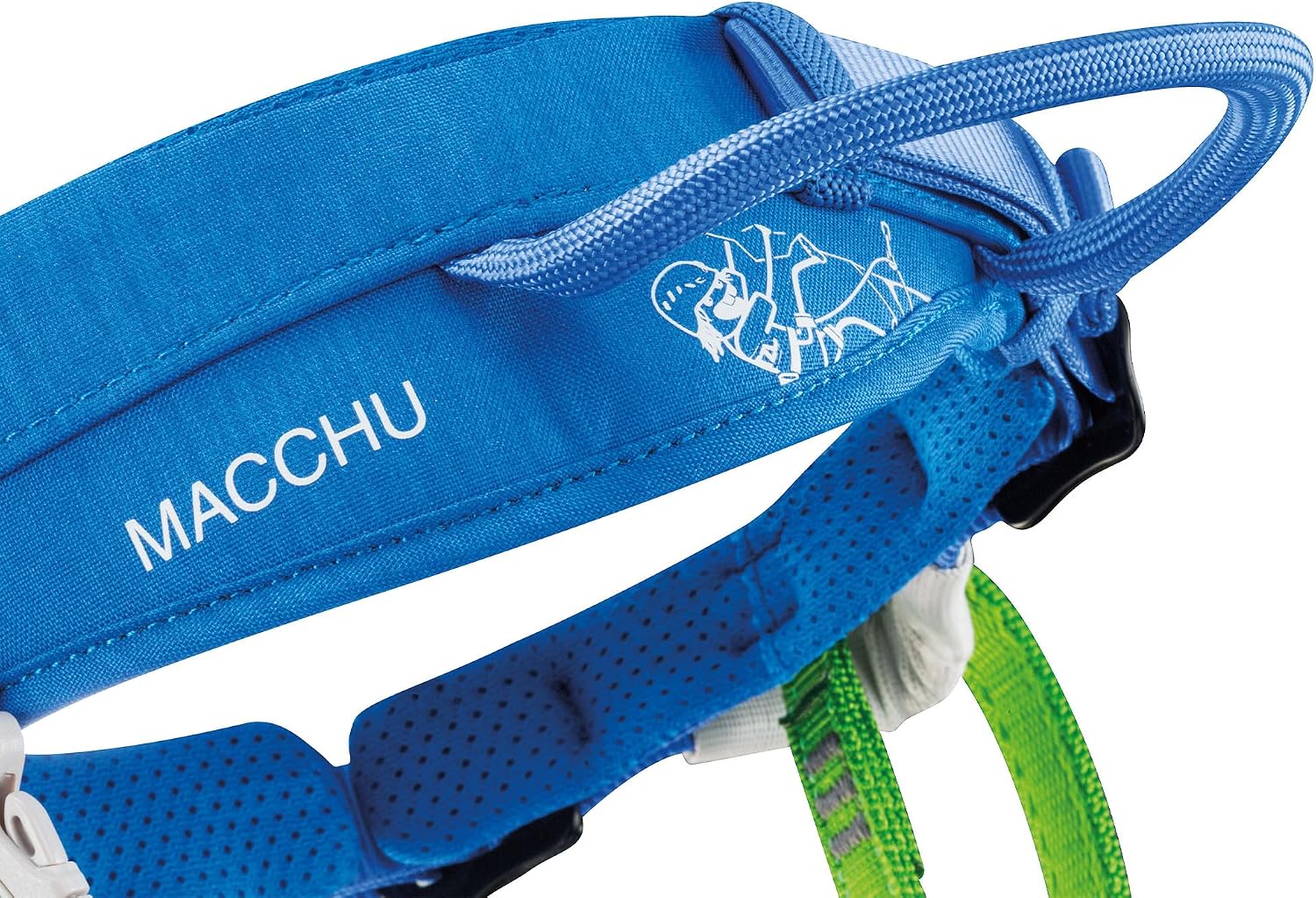
| EDITOR'S PICK[Fusion Tac Rescue Tactical Full…](https://www.amazon.com/dp/B072WLKLHW?tag=greenflower20-20) | Mid-tierPETZL MACCHU Kids' Climbing Har… | Budget pick[Fusion Adjustable Outdoor Strap…](https://www.amazon.com/dp/B00R3W9N06?tag=greenflower20-20) | |
|---|---|---|---|
| Weight Limit | 23kN | 88 lbs | — |
| Harness Type | Full body | Seat | Belt with leg loops |
| Padded | ✓ | — | ✓ |
| Price | $216.40 | $63.97 | $55.11 |
| See on Amazon → | See on Amazon → | See on Amazon → |
Why “Rated to 250 lbs” Is Only the Beginning of the Story
Weight ratings on harnesses are static load limits — the maximum mass the harness is designed to arrest in a controlled test drop, typically expressed in pounds or kilograms. What they do not tell you is the dynamic load, the actual force generated when a moving rider decelerates at the end of a span or hits a brake block at speed.
Here’s the physics that matters: a 150 lb rider cruising a 200-foot span at 20 mph and stopping in roughly one second generates a peak arrest force that can be two to four times their body weight, depending on brake system compliance and cable stretch. That’s 300–600 lbs of instantaneous force on the harness attachment point. ASTM International’s standard F2959, which governs aerial adventure courses including zip lines, requires harness systems to withstand a minimum static test force of 15 kN (roughly 3,370 lbf) — a number that sounds enormous but is intentionally sized to cover these dynamic multipliers with margin to spare.
The practical takeaway: a harness “rated to 250 lbs” means it’s designed for riders up to 250 lbs and the hardware is built to absorb the dynamic forces that a 250 lb rider realistically generates. It does not mean a 260 lb rider is in mild danger — the safety margins are real — but it does mean the manufacturer has not validated the design, seam strength, or buckle fatigue behavior beyond that number. For camp or commercial use, staying inside published limits is a liability issue as much as a physics one.
By the numbers: typical harness weight-rating tiers
| Category | Typical Weight Range | Common Standards |
|---|---|---|
| Kids’ seat harness (backyard kits) | 40–150 lbs | ASTM F1148, EN 13781 |
| Youth/junior full-body | 50–175 lbs | CE EN 361, ASTM F2959 |
| Adult recreational | 130–250 lbs | CE EN 361, ASTM F2959 |
| Professional / commercial | 130–330 lbs | CE EN 361 + EN 358, ACCT-compliant |
Decoding the Certification Marks — CE, EN, ASTM, and ACCT
Certifications are audited promises. Here’s what each stamp actually means in practice.
CE + EN 361
CE marking (a European conformity designation) on a harness almost always pairs with EN 361, the European standard for full-body fall-arrest harnesses. To earn this mark, a harness must pass static and dynamic drop tests conducted by a notified body — an independent, accredited third-party lab. EN 361-certified harnesses are tested with a 100 kg (220 lb) dummy dropped 4 meters in a simulated fall, and the harness must limit peak arrest force to ≤6 kN while holding the torso upright.
This is genuinely rigorous testing, and CE/EN 361 is the baseline you should require for any adult harness on a recreational or commercial zipline. Per Petzl’s published technical notices for their harness range, all their zip-line-rated harnesses carry this certification, and they publish the full test reports — a detail worth looking for when evaluating any brand.
ASTM F2959
This is the American standard most relevant to adventure course operators. ASTM F2959 covers the full system — installation, components, operations — not just the harness in isolation. A harness “compliant with ASTM F2959” means it’s been evaluated as part of an integrated system context, which matters for commercial installations and camp directors who will be fielding inspections. ASTM International publishes the current version of F2959; the most recent revision tightened language around harness inspection intervals and retirement criteria.
ACCT Standards
The Association for Challenge Course Technology publishes its own Standards and Practices for Challenge Course and Canopy/Zip Line Tour Operations, which reference and extend ASTM F2959. ACCT compliance is essentially the commercial-operator tier: if you’re building for an eco-resort or an adventure park and you want to be insurable, ACCT-aligned documentation is what insurance underwriters ask for. Per the ACCT standards document, harnesses must be inspected before each use day, retired on a defined schedule (typically 10 years from manufacture or immediately after a fall arrest), and matched to riders using documented fit procedures.
What CE/EN and ASTM Don’t Cover
Neither standard regulates the fit quality of a harness on an actual human body — they test a standardized dummy. A harness that passes every cert test can still fail a real rider if the leg loops are too loose (allowing the rider to fall through on impact deceleration) or the chest strap is mis-routed. This is why the SaferParks incident database consistently flags improper fit, not harness failure, as the leading harness-related factor in zipline incidents. Certifications are a floor, not a ceiling.
Kids’ Harnesses vs. Adult Harnesses: The Tradeoffs That Actually Matter
The jump from a kids’ seat harness (the molded plastic seat shell that comes with most Slackers or SkyWalker kits) to a full-body harness isn’t just a size issue — it’s a geometry and arrest-force distribution issue.
Seat harnesses distribute force across the upper thighs and glutes. For a 60 lb child on a short backyard span with a bungee brake, the forces involved are modest enough that this geometry works fine. The CPSC’s Public Playground Safety Handbook notes that proper seat harness design for playground zip lines must prevent forward pitch-out — meaning the child cannot tip forward out of the seat under deceleration. Most reputable kit harnesses (Slackers’ included, per their published specs) design against this, but it requires the harness to be sized correctly to the child, not just within the weight range.
Full-body harnesses distribute arrest forces across shoulders, chest, and legs simultaneously. For adult riders, spans over roughly 150 feet, or any installation where riders might encounter an abrupt brake stop (a fixed disk brake rather than a bungee), full-body geometry is the correct choice. The shoulder straps take the majority of the load in a sudden stop, which is exactly what you want when deceleration forces are climbing toward 3–4× body weight.
The practical decision rule here:
- Span under 100 feet, riders under 100 lbs, bungee brake: A properly rated seat harness from a name-brand kit system is appropriate.
- Span 100–300 feet, mixed-age riders, disk or inline brake: Youth full-body harness for riders under ~120 lbs; adult full-body for everyone else. CE EN 361 minimum.
- Span over 300 feet, commercial or camp use, any rider weight: Full-body harness with CE EN 361 + EN 358 (the standard covering work-positioning lanyards, relevant for tandem or guided configurations), ACCT documentation, and a defined inspection schedule.
The Specific Hardware Details That Get Overlooked
The Dorsal D-Ring Location
The attachment point on the harness — where the trolley (the wheeled device that rides the cable) connects — is almost always a dorsal D-ring, positioned between the rider’s shoulder blades on the back. This placement keeps the rider upright during travel and positions the arrest-force vector correctly through the harness structure.
Some consumer-grade harnesses use a sternal (chest) D-ring as the primary attachment. Petzl’s technical guidance, consistent with EN 341 (descender standard), notes that sternal attachment changes the rider’s body position during a fall arrest and is typically appropriate only for controlled descent systems, not free-flying zip spans. If a harness you’re evaluating has only a chest connection point, verify it’s explicitly rated for zip line (not rappel) use before committing.
Weight Rating vs. Weight Range
These are not the same thing. A harness rated to 250 lbs maximum may have a minimum weight of 110 lbs — and the minimum matters. Below the minimum, the harness geometry doesn’t load correctly, leg loops don’t seat on the body as designed, and a fall-arrest event can allow partial ejection. Kids’ harnesses for riders in the 40–70 lb range need to be sized for that range specifically; an adult harness isn’t just “too big” — it’s potentially dangerous on a small child.
Retirement and Inspection — The Number Most Buyers Skip
Per ASTM F2959 and Petzl’s published harness technical notices, the standard harness retirement schedule is:
- 10 years maximum from the date of manufacture (stamped on the harness label)
- Immediately following any fall arrest, regardless of visible damage
- On visible wear: fraying at stitching, distortion of buckles, UV degradation of webbing (visible as chalking or color fading)
For commercial operators reviewed in ACCT’s standards document, written inspection logs per harness are explicitly required. For serious backyard builds, a dated tag system tied to the manufacturer date stamp is the minimum reasonable practice.
If X, Then Y — The Decision Rules
After working through the specs, the decision tree simplifies:
-
If your riders are kids under 100 lbs on a backyard span under 150 feet with a bungee brake → a properly rated seat harness from a kit system (Slackers, SkyWalker, ZipKrooz) sized to the child’s weight range is appropriate. Verify CE or ASTM compliance on the label before purchasing.
-
If your riders include adults, your span exceeds 150 feet, or you’re using a disk or inline brake → move to a full-body harness with CE EN 361 certification. Zip Line Gear and similar enthusiast suppliers carry adult full-body options in the $80–$150 range that meet this bar.
-
If you’re building for a camp, resort, or any commercial-adjacent installation → CE EN 361, ASTM F2959 system compliance, and ACCT documentation are non-negotiable. Budget for Petzl, Kong, or Rock Exotica hardware in this tier; the certification trail those brands maintain is part of what you’re paying for, and it’s the same documentation your insurer will ask for.
-
If a harness you’re evaluating doesn’t have a visible certification mark and a documented weight range (both minimum and maximum) on the label → don’t buy it for zip line use, regardless of price.
The certifications and weight ratings on a harness aren’t bureaucratic overhead. They represent the math of arrest forces, the geometry of load distribution, and the accountability of third-party testing. Match them to your build, your riders, and your use context — and they’ll do exactly what they promise.